
Avalanche risk management*
*The candidature for inclusion in the representative list of intangible cultural heritage of UNESCO was submitted to UNESCO in March 2019.
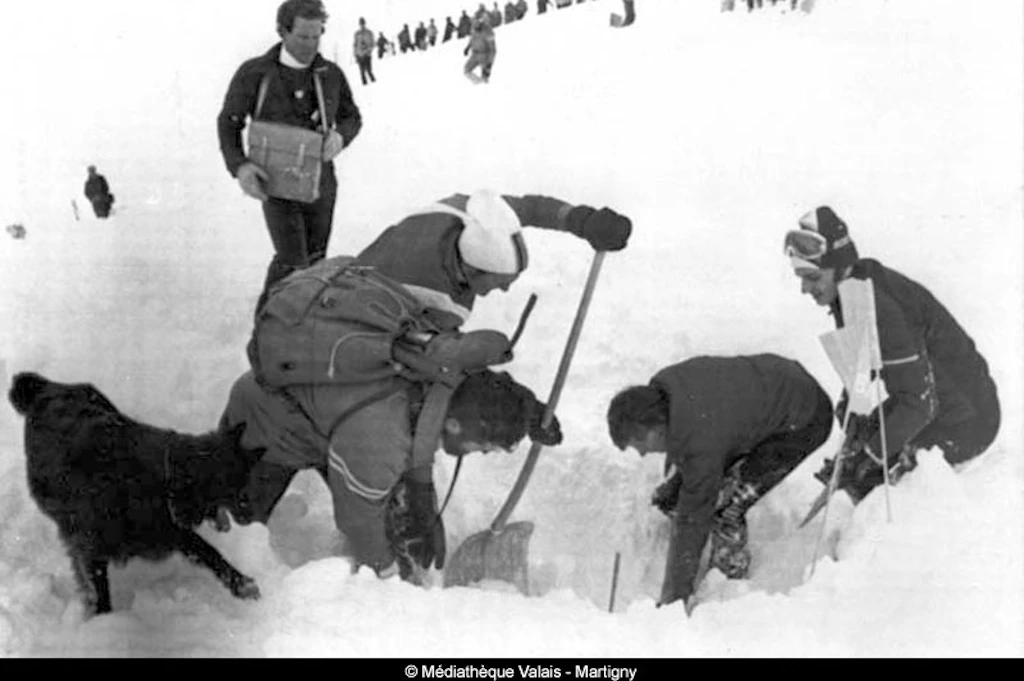
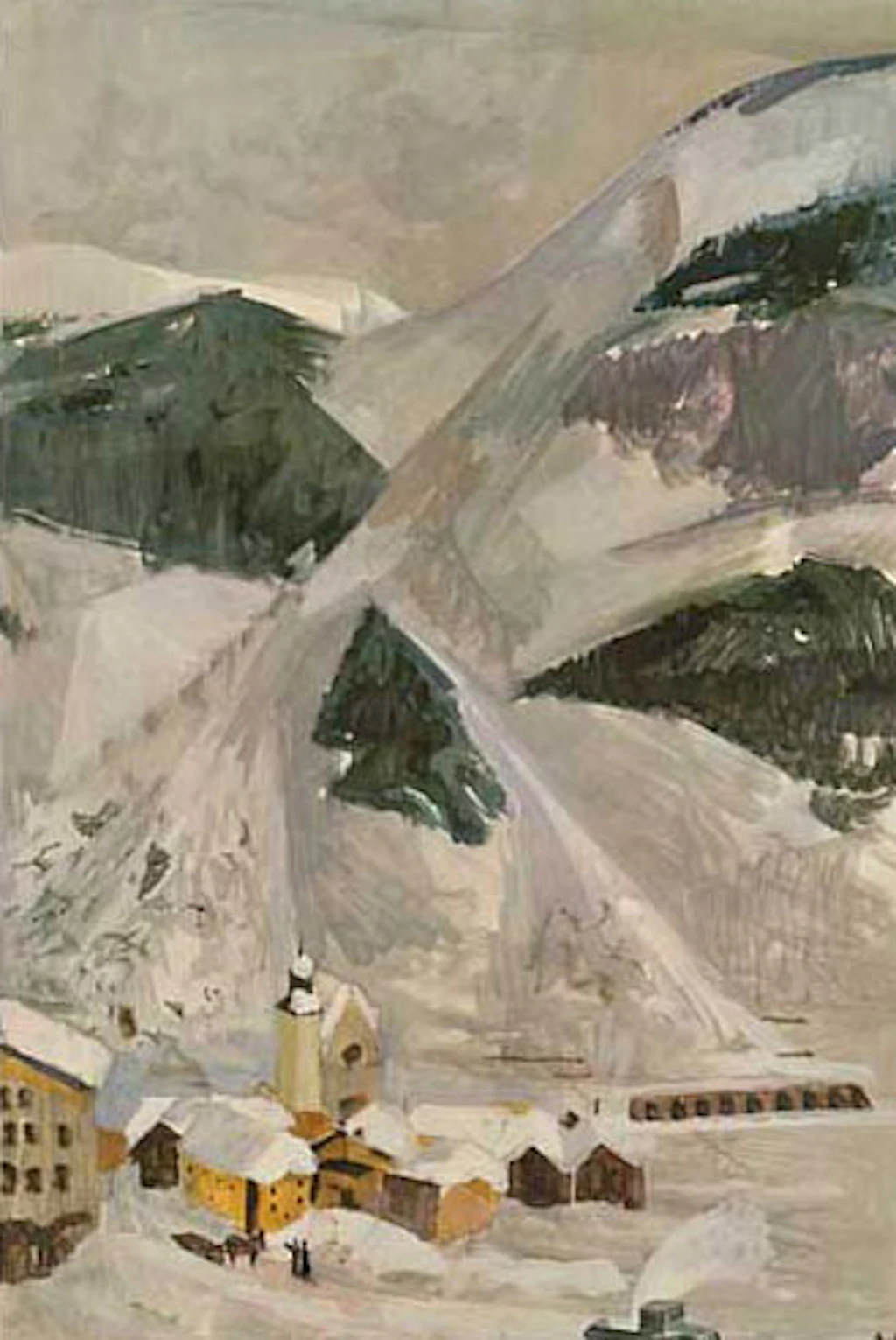
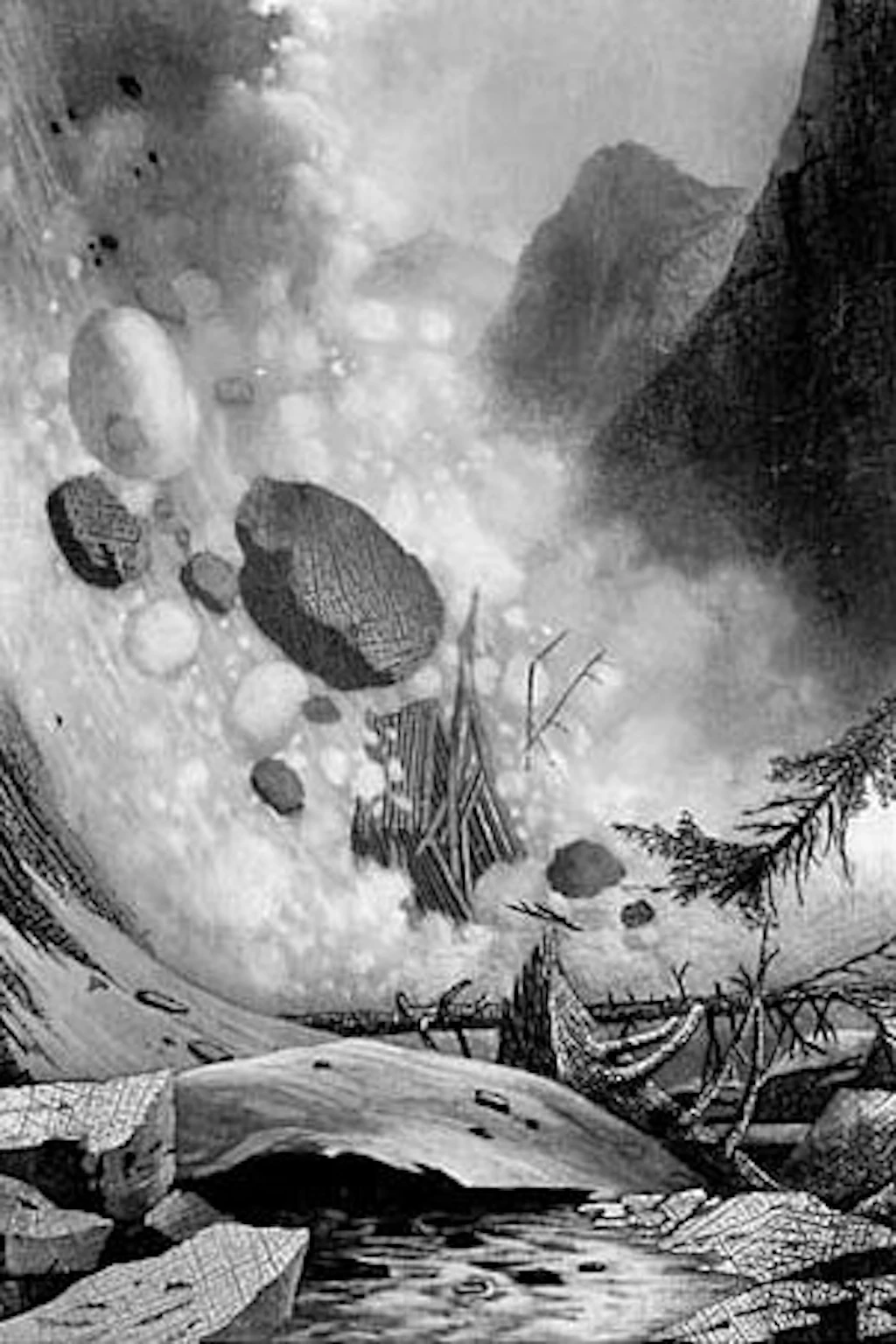
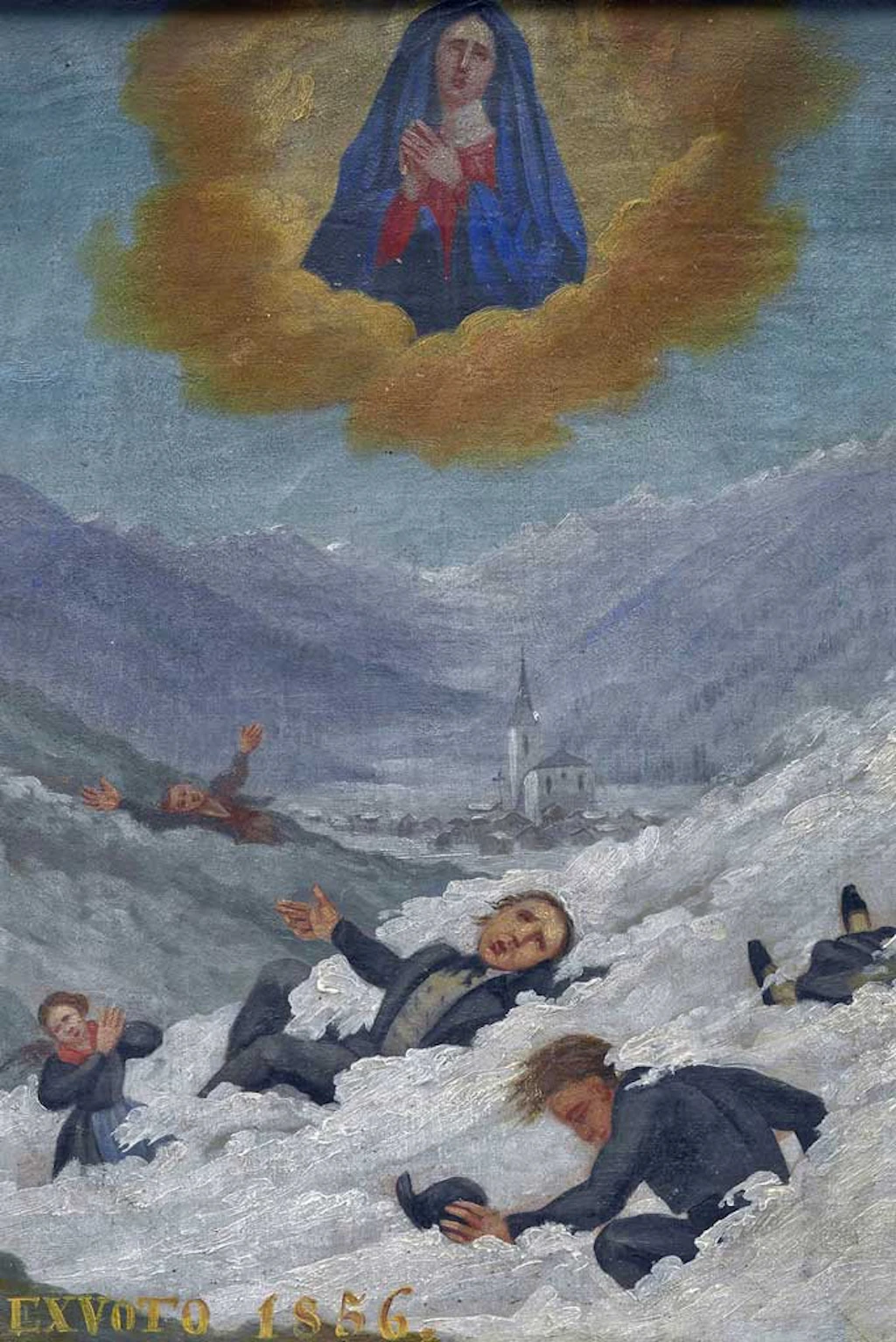
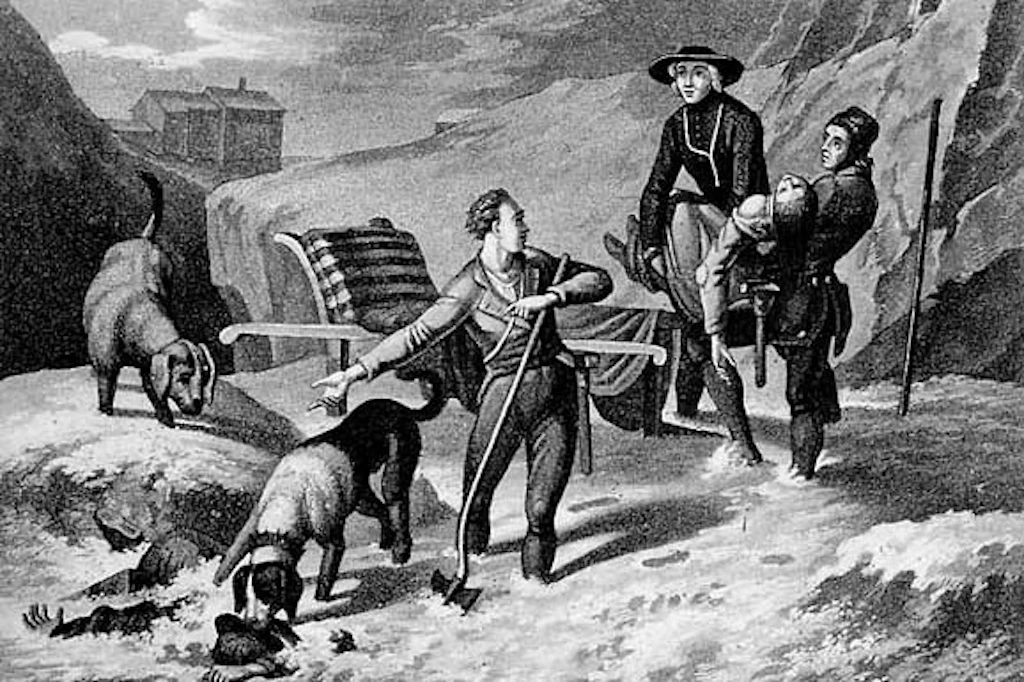
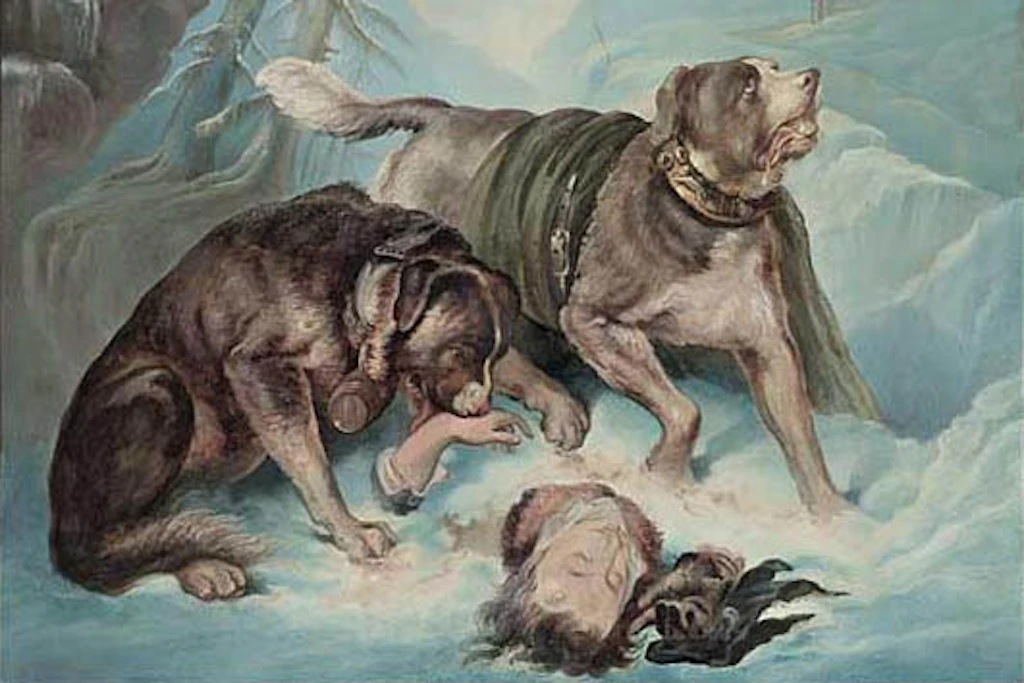
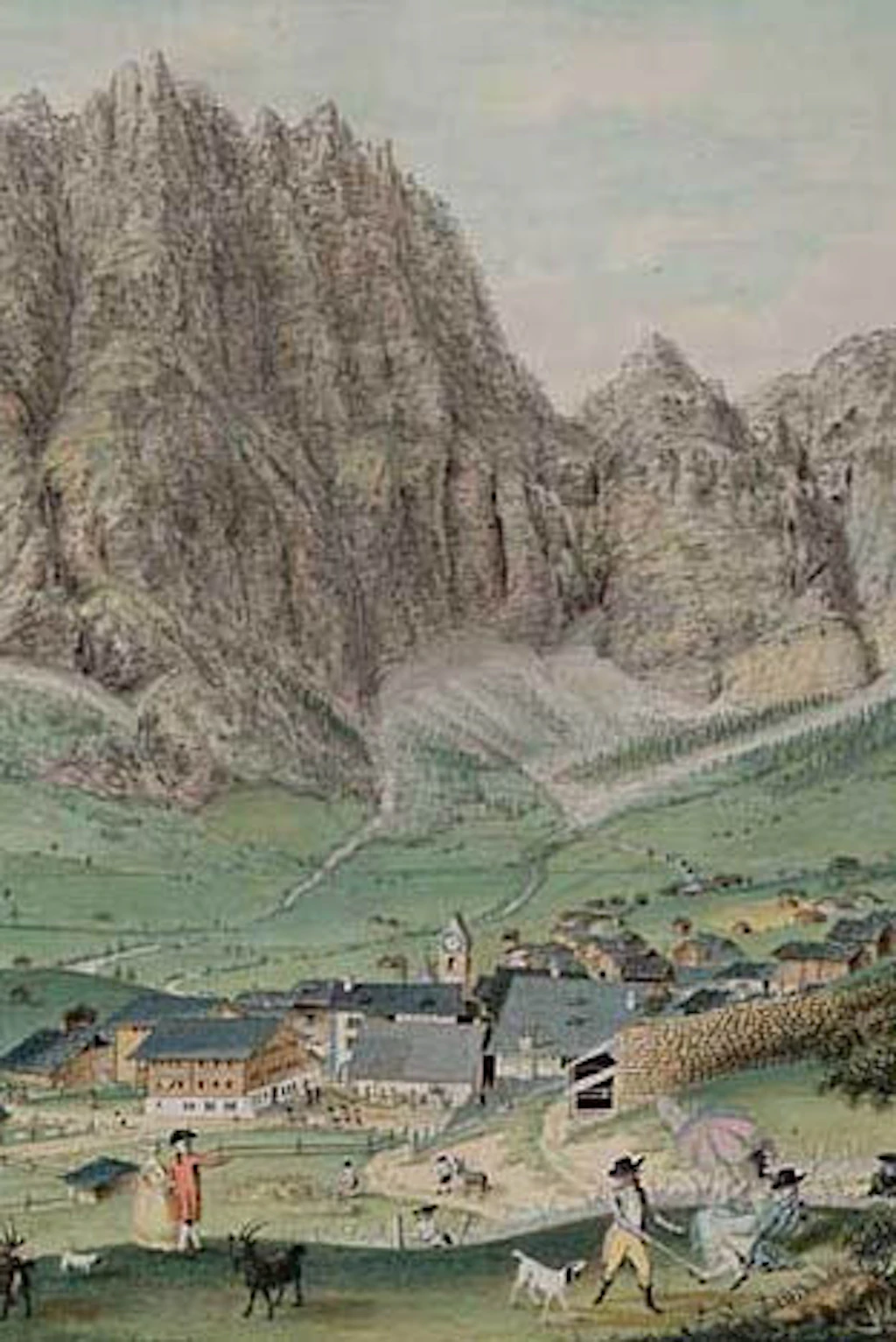
Historical, economic and topographical circumstances in Switzerlandhave led to an accumulation of specialist practical knowledge and skills with respect to the alpine landscape. Dealing with the risk of avalanches provides a perfect example. Practical knowledge was reflected in pre-industrial society in the structure of settlements and in religious practices such as votive offerings. Furthermore, even early society took steps to deal with the risk of avalanches and their consequences, for example the Great St Bernard Hospice with the St Bernard dog as a symbol for alpine rescue. In the course of the twentieth century many methods of active prevention were developed and implemented. As well as new protective constructions and improved forest maintenance, measures also included planning tools such as risk maps and avalanche registries. At the same time, rescue services have seen some significant changes in terms of professionalism, electronic searching devices, evacuation techniques and airlifts (e.g. Air Glacier, Air Zermatt). Recently, the development of specialist institutions brought scientific progress to the problems posed by avalanches in Switzerland, forming the basis for the expansion of the alarm and crisis management units.