
L’Esprit de Genève (Spirit of Geneva)
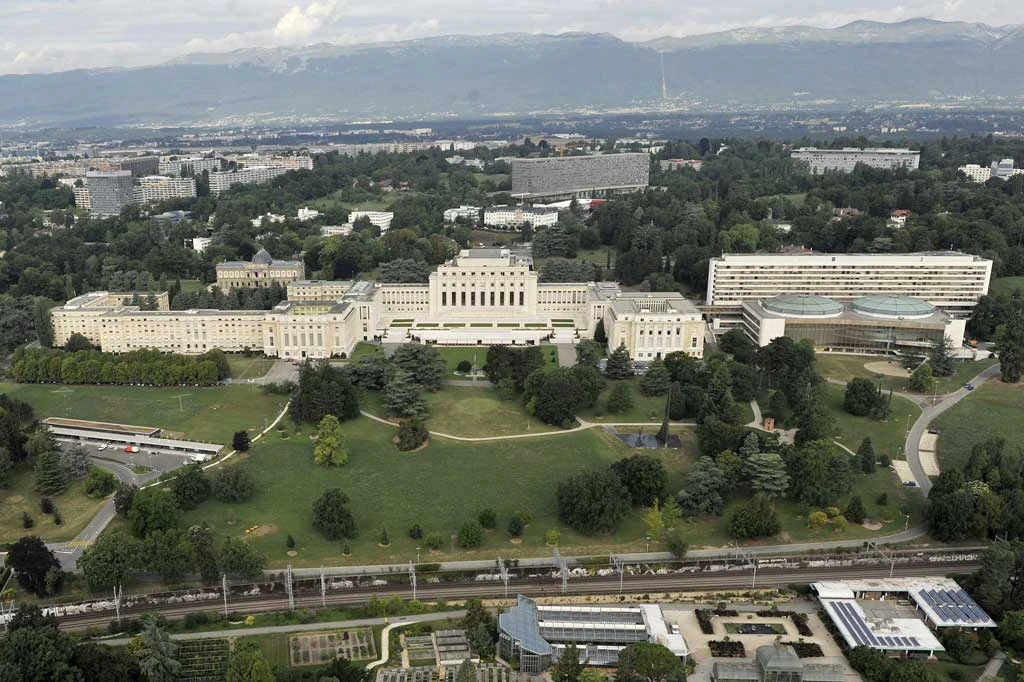
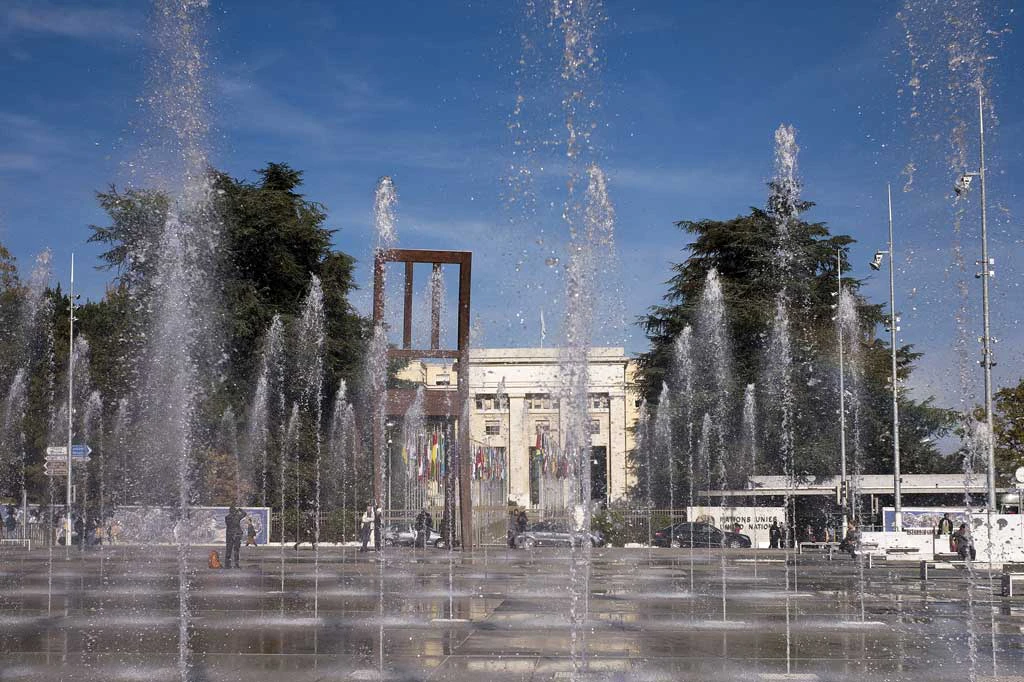
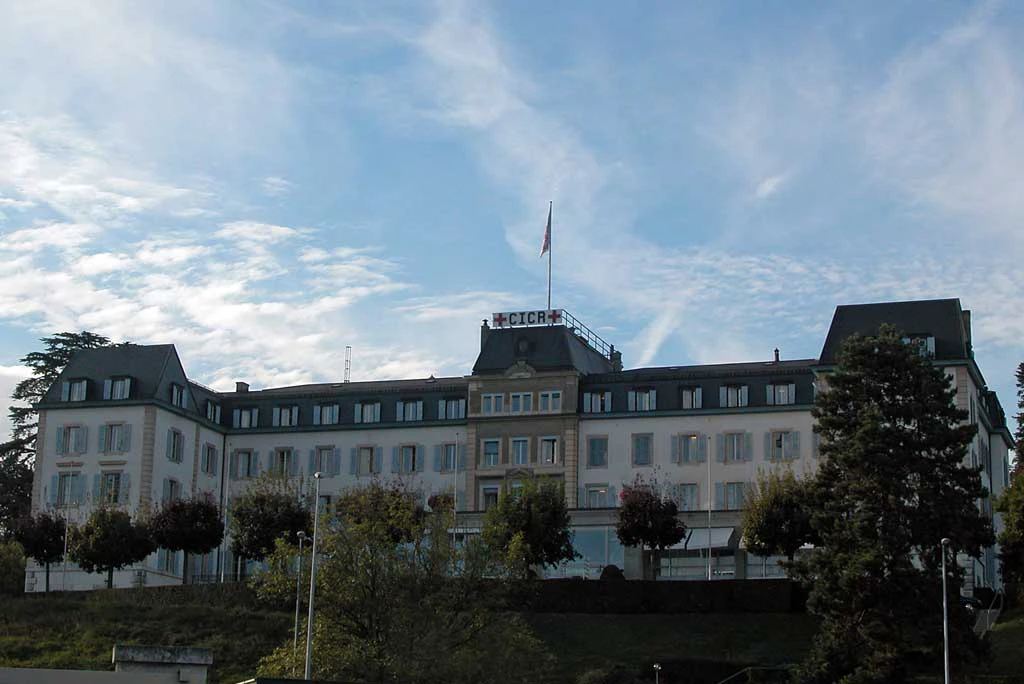
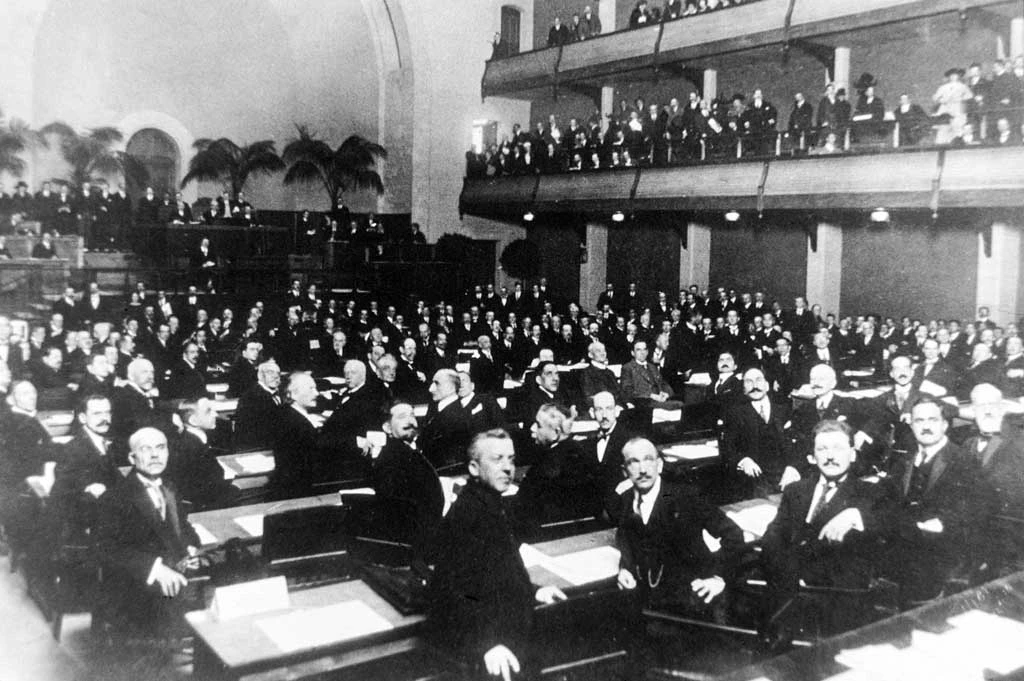
Ten years after the founding of the League of Nations, Robert de Traz published “L’esprit de Genève”. His essay traces the origins of this tradition through the life and work of three major historical figures: Jean Calvin, Jean-Jacques Rousseau and Henry Dunant, whose legacy helped to make Geneva a symbol of dialogue, peace and democracy. During the Reformation, the city of Calvin became a safe haven for religious refugees from across Europe, declaring itself open to the world. Like the good citizen of Geneva that he was, the author of “The Social Contract” called for the creation of a federation of sovereign people, undoubtedly drawing inspiration from the Swiss model, to ensure a lasting peace. A hundred years later, in 1863, the International Committee of the Red Cross was founded and, the following year, the first Geneva Convention was signed. Over the 20th century, this treaty was strengthened by the addition of the four Geneva Conventions of 1949 and their Additional Protocols.
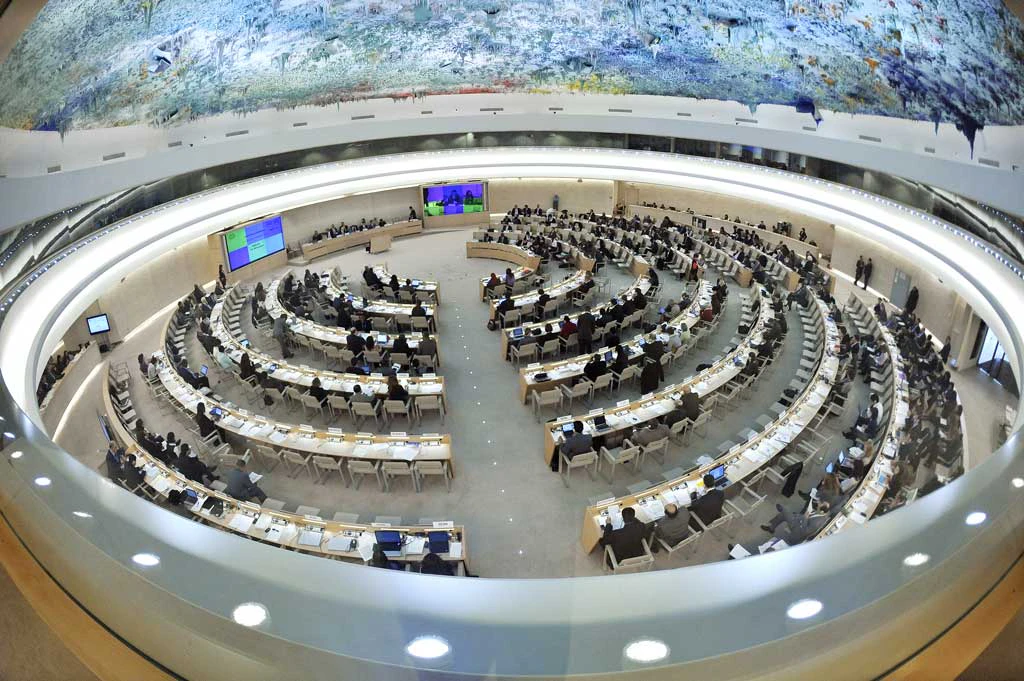
At the same time, in 1919, Geneva was chosen as the seat of the League of Nations. The city's international role then took off. Today, Geneva is home to a unique cluster of international organisations, NGOs and diplomatic representations. In addition to humanitarian affairs, almost all issues requiring cooperation between several States are dealt with there. These range from peace and security to fundamental research, trade, human rights and climate change.