
Production of mechanical musical automata, music boxes and singing bird automata*
*Inscribed on the Representative List of the Intangible Cultural Heritage of the UNESCO
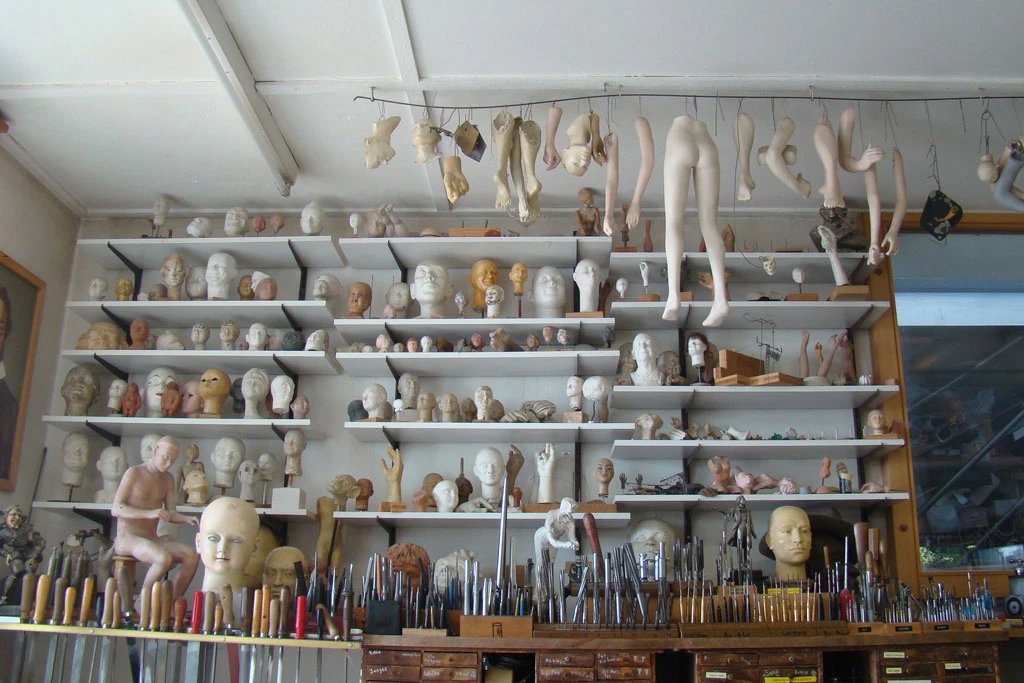
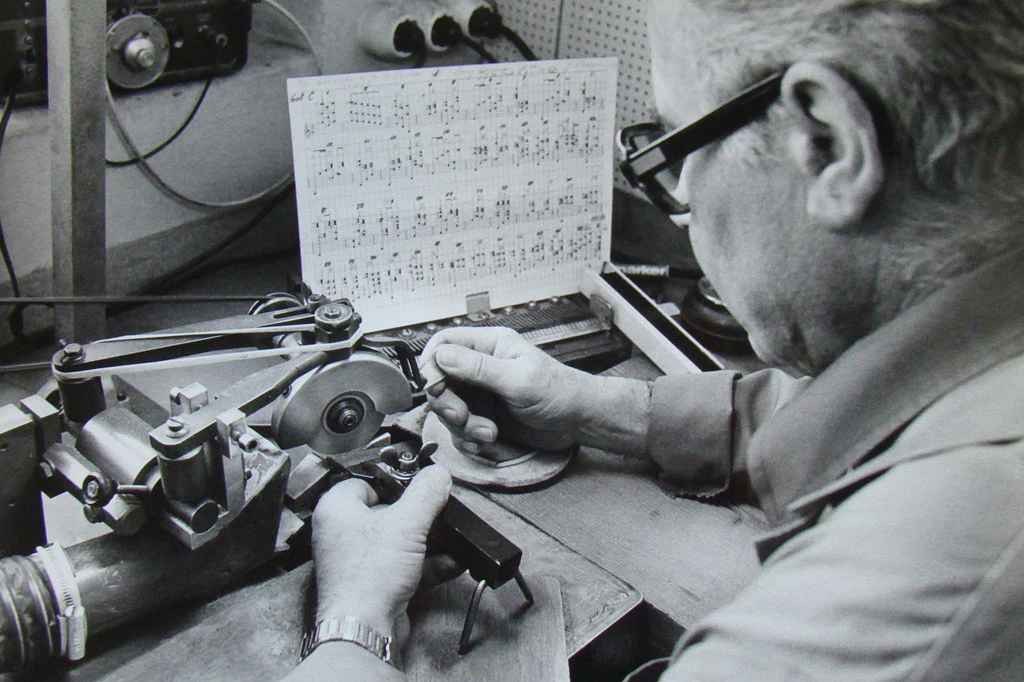
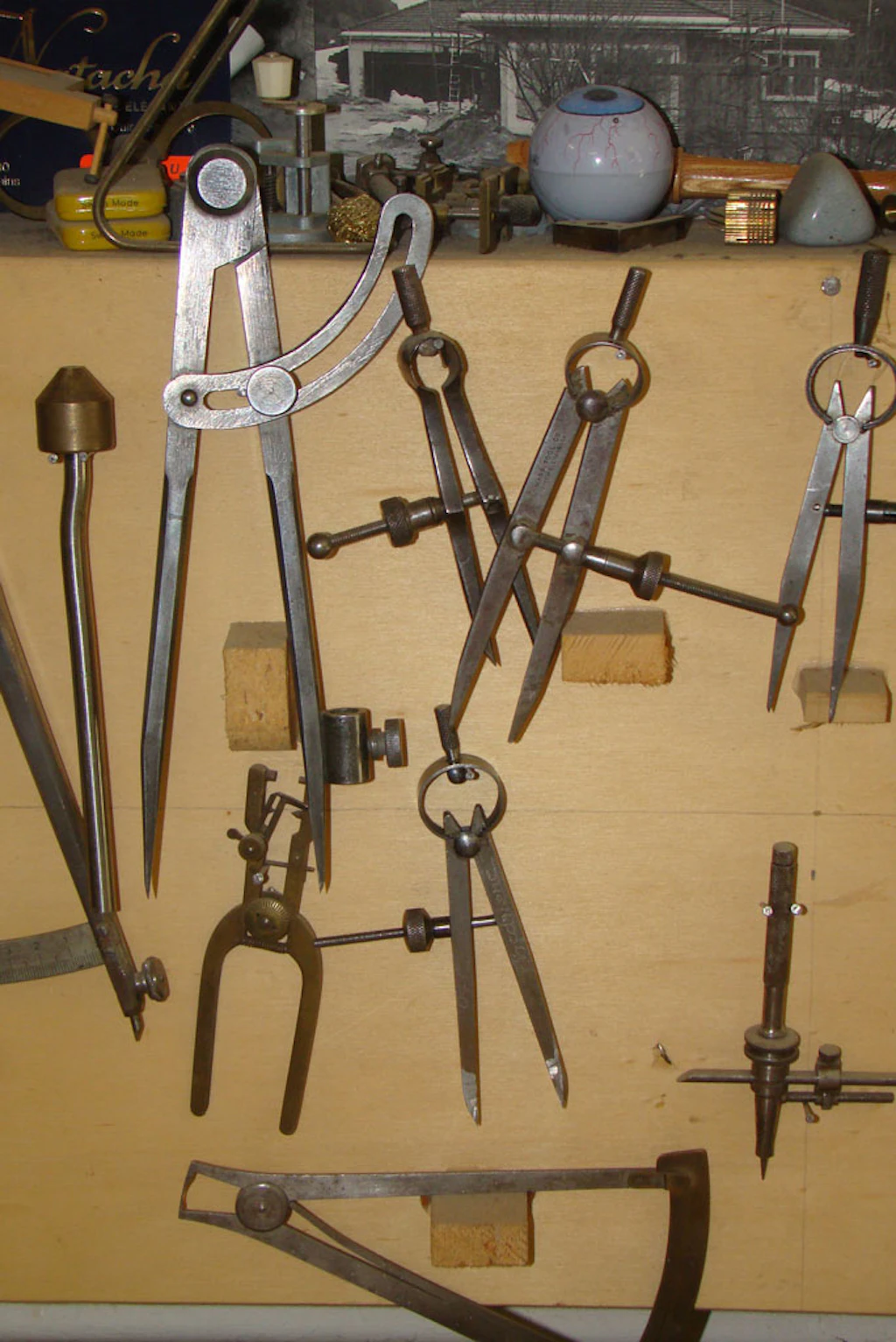
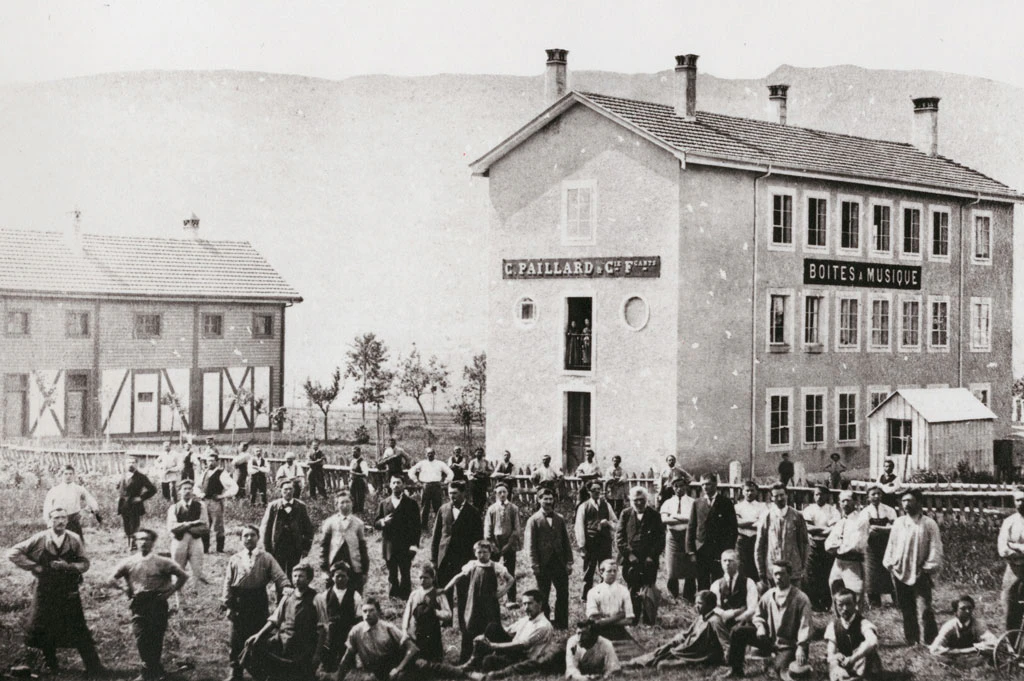
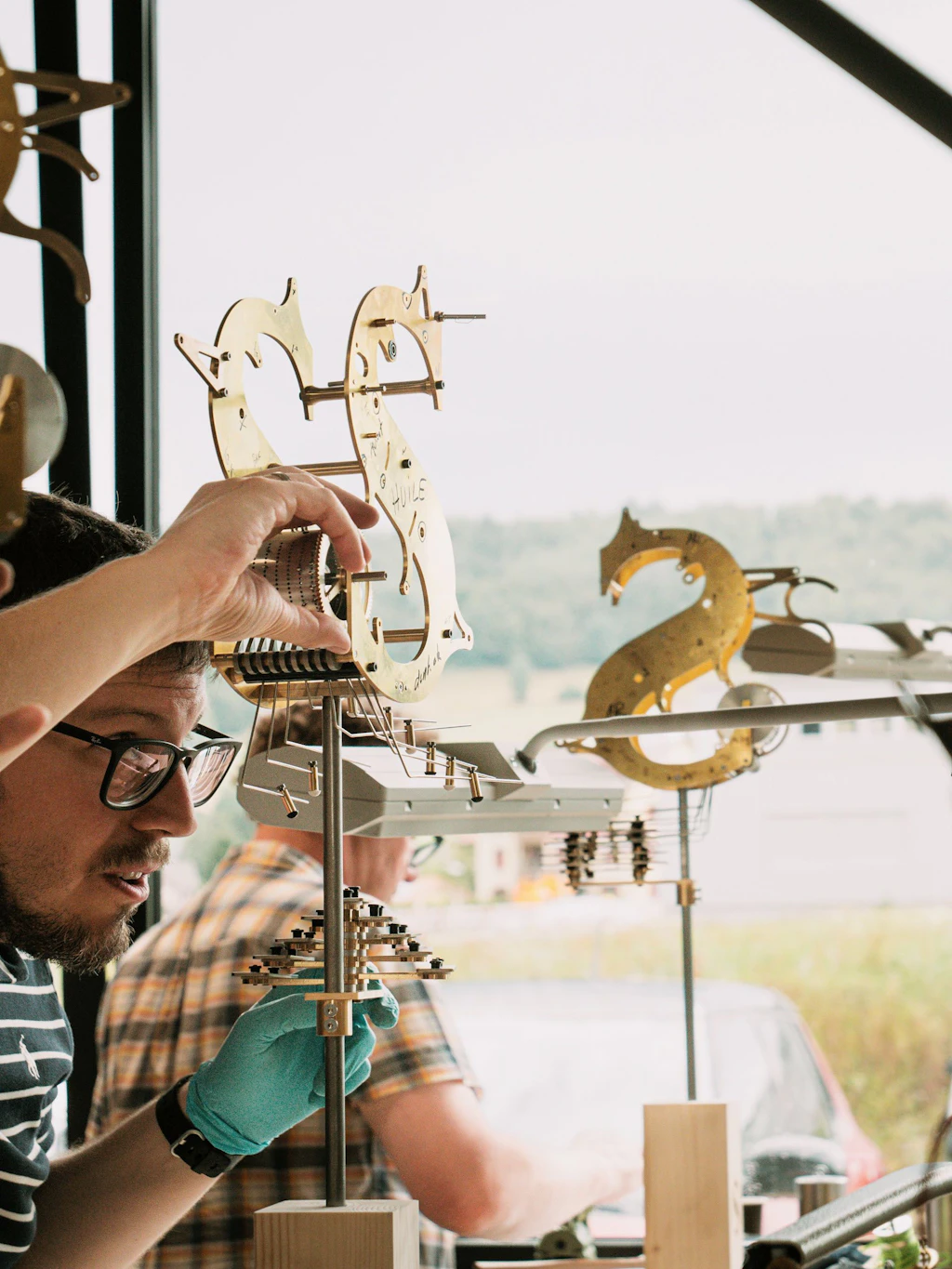
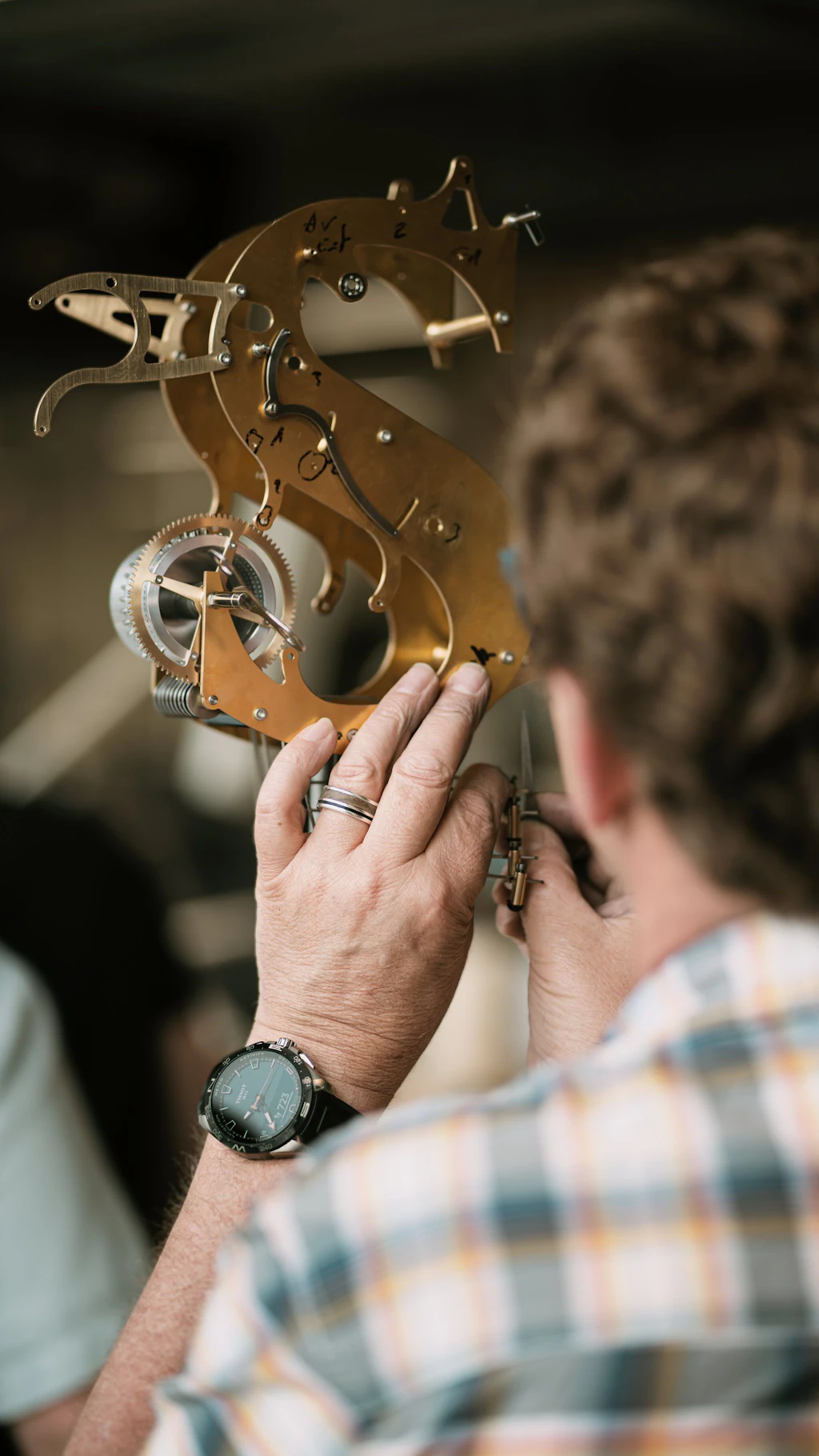
The development of precision engineering techniques for the production of mechanical musical automata and singing bird automata is inextricably linked with watchmaking, and over the course of the 19th century its use would become widespread through the Vaud Jura. While music boxes produce sound by making a series of tuned teeth vibrate, mechanical musical automata – whose origin can be traced back to 18th century France – and singing bird automata mimic the action of animated beings and are driven by a mechanical, pneumatic or hydraulic mechanism. Despite their differences, all three devices marry engineering with artistic crafts and most function thanks to energy supplied by a mechanical spring or by the gravity of driving weights.
From tiny “snuff boxes” to imposing “cartels”, there are music boxes to suit all tastes and budgets, with the most expensive costing as much as 100,000 Swiss francs. Mechanical musical automata had long been produced according to the “établissage” method, where production was sub-contracted to home-workers and tasks were divided along strict gender lines. Music boxes and singing bird automata are now built in independent workshops or factories, while automata, on the other hand, are still made by hand.
In Sainte-Croix, mechanical musical devices and watches still rely on arts and crafts, which requires the involvement of a wide range of specialists to design, build, dress and decorate each object. With their wonderful poetic autonomy, musical automata still have the power to enthral us in the universe of art mechanics.
With no backing from any specialized school and faced with stiff competition from Asia and from the fully digital production, the survival of mechanical arts is down to the perseverance and determination of a handful of ardent enthusiasts.