
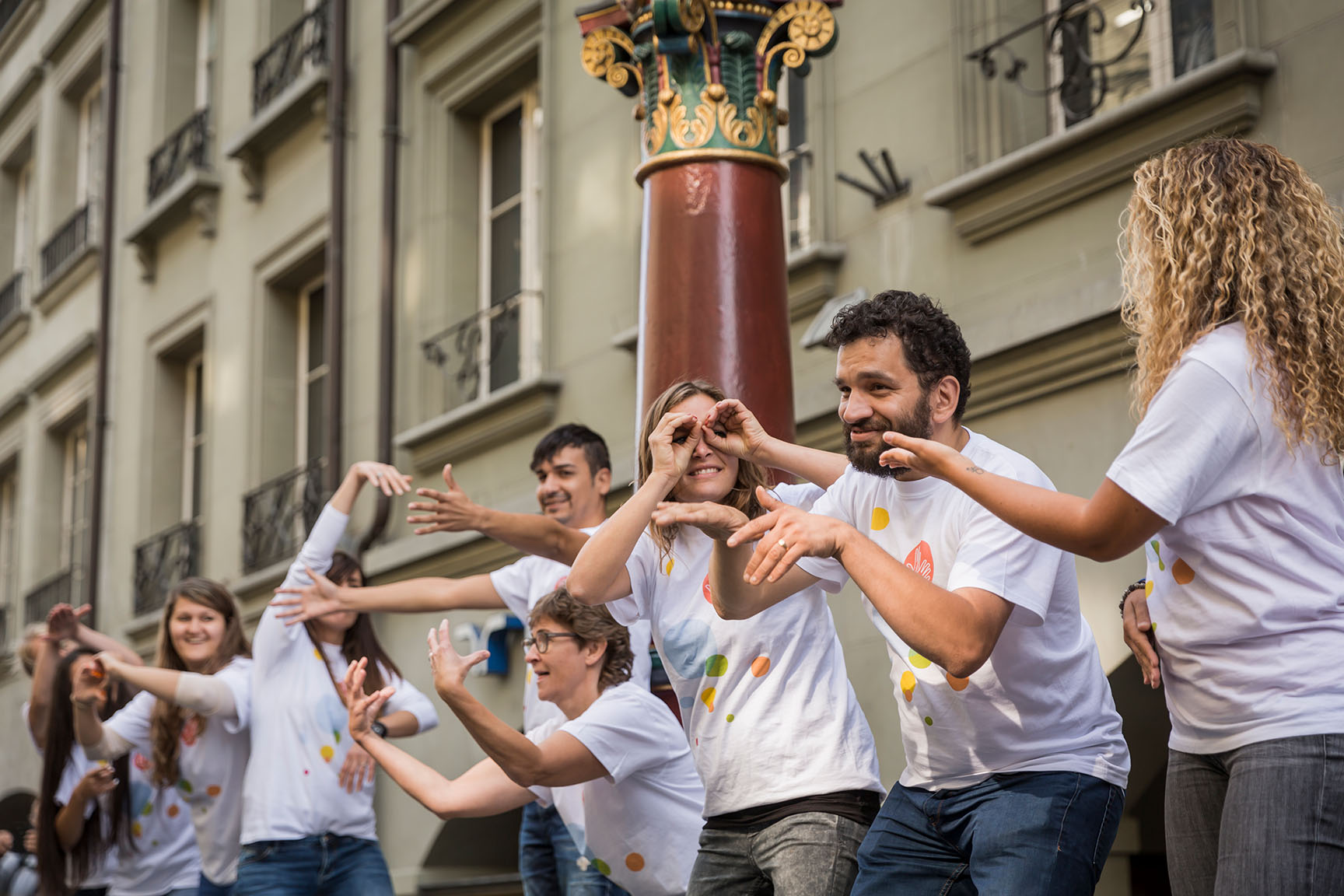
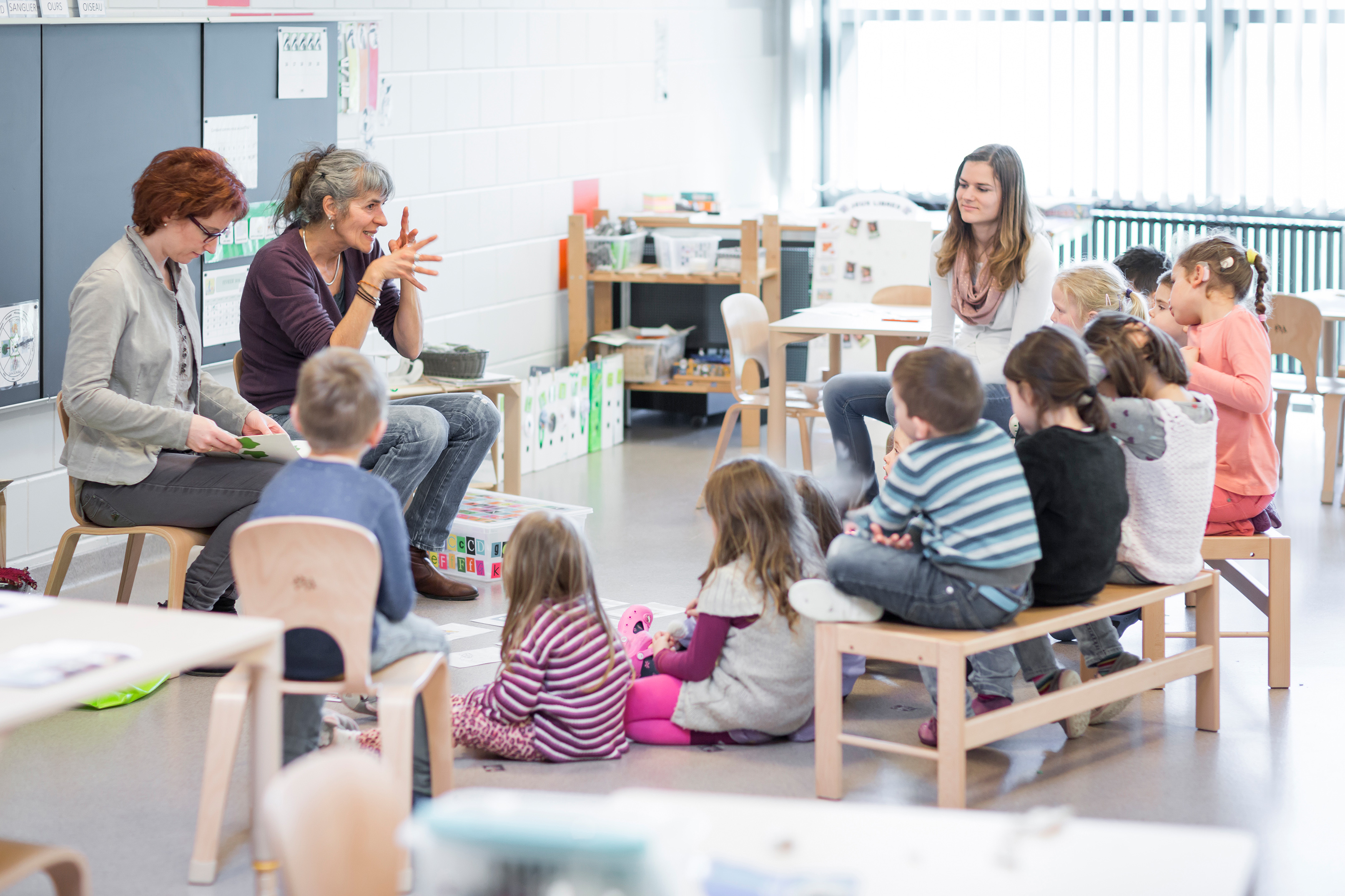
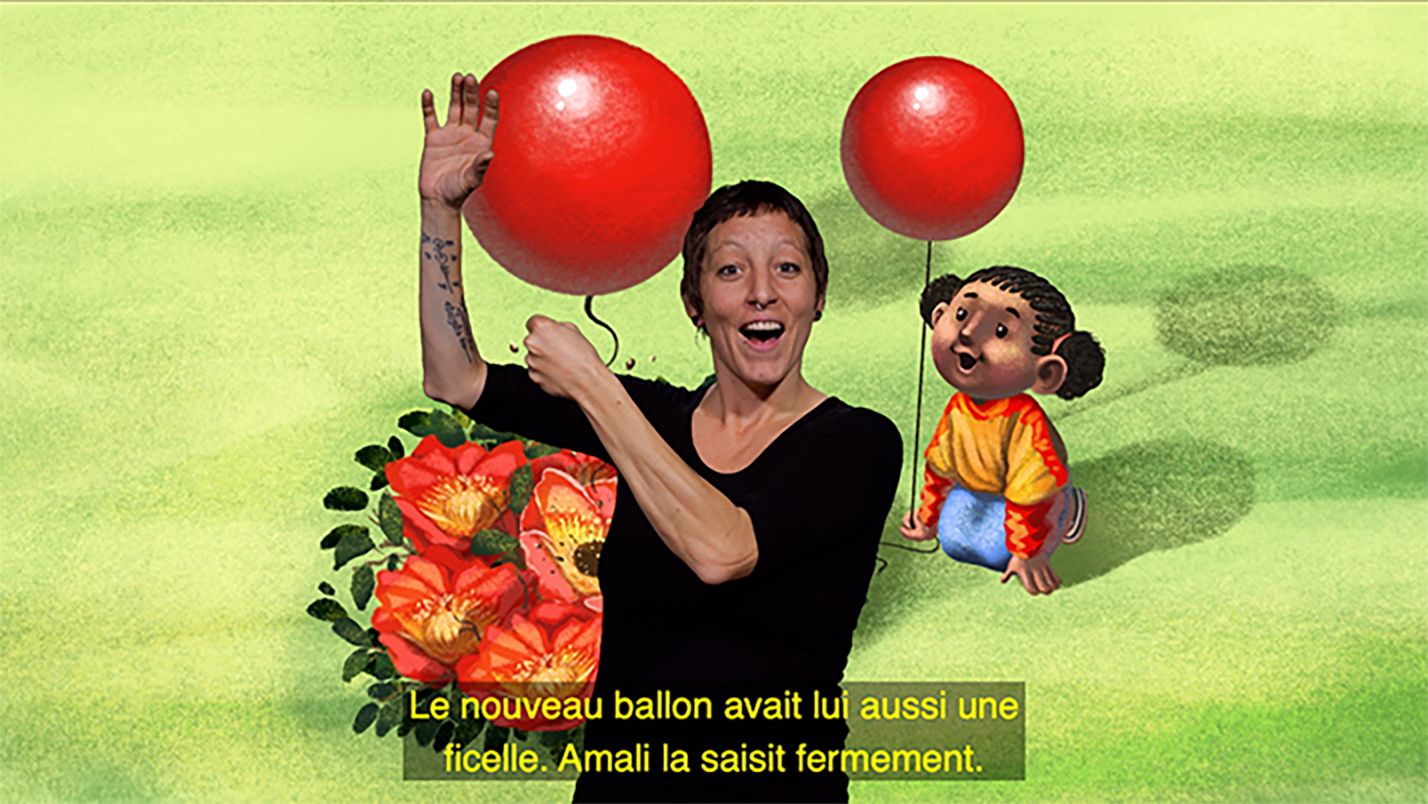
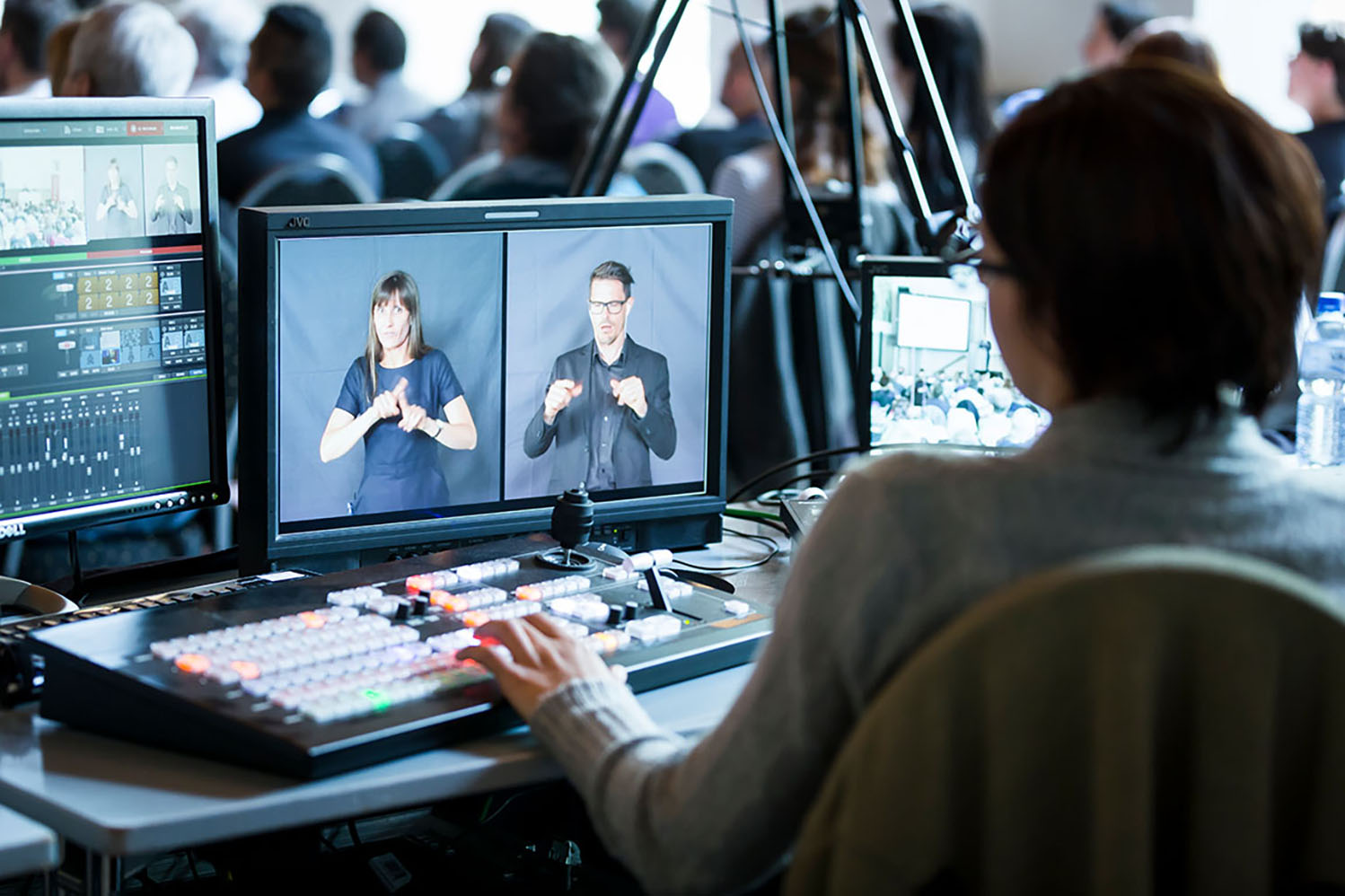
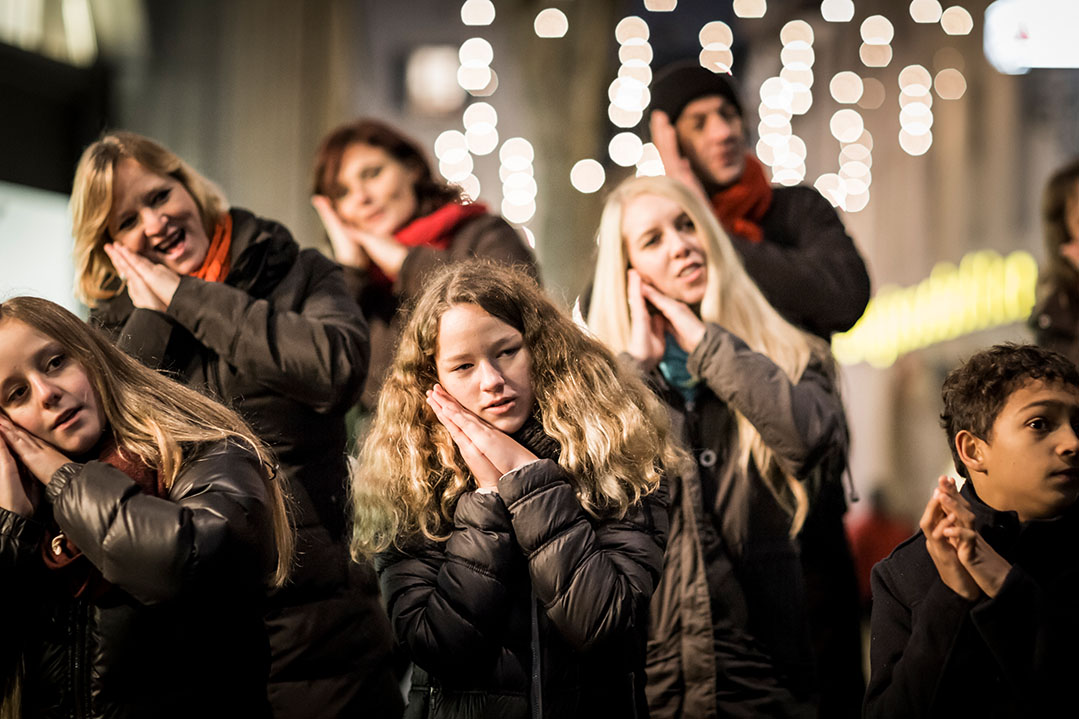
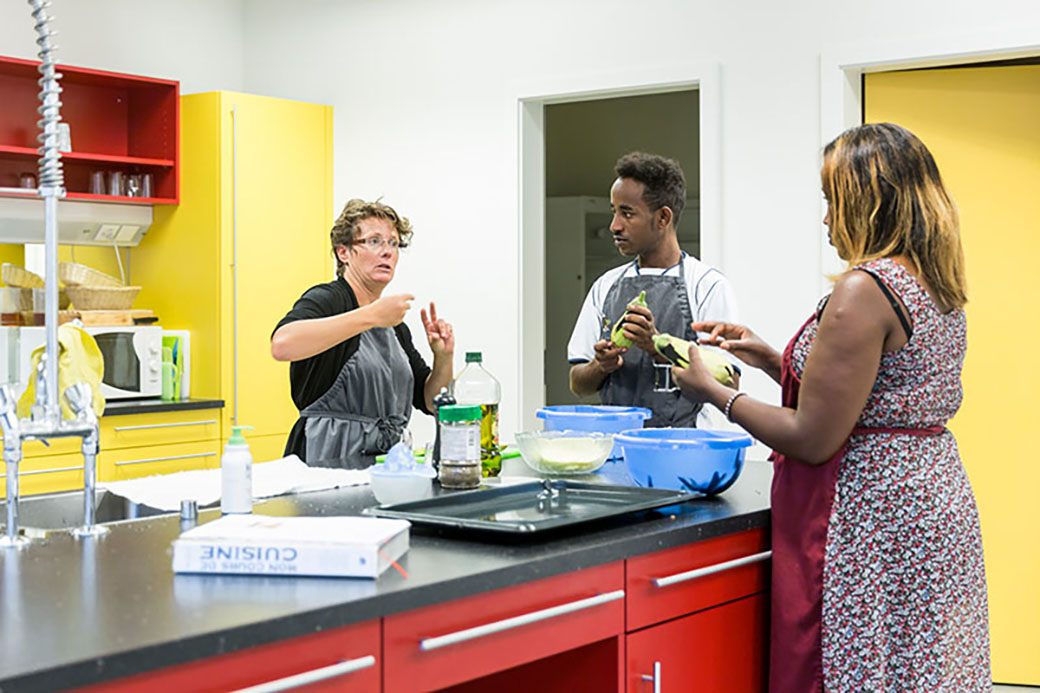
Deaf, hard of hearing and hearing sign language users create their own cultural worlds. As visual languages, sign languages share most features with spoken languages, but their silent, physical forms of expression allow the deaf and hard of hearing minority to participate in mainstream society while also maintaining their own ways of interacting. This means that sign languages can be used not only to exchange everyday information, but also to perform theatre pieces or hold “deaf slams” – a signed form of slam poetry.
In Switzerland, this form of communication takes place in Swiss German Sign Language (DSGS) and its five regional dialects as well as in French Sign Language (LSF) and in Italian Sign Language (LIS). This translates into considerable linguistic diversity among the 20,000 to 30,000 sign language users in the country. The significance of sign languages should be understood in the context of a long history of discrimination against deaf people, a medical approach that pathologised hearing impairment and an approach to deaf pedagogy shaped by outsiders who viewed sign languages as inferior to spoken languages. Recently, however, sign languages have been gaining recognition as independent cultural forms of expression, viewed through a resource- and participation-oriented perspective on deafness.